How do organs grow with us throughout life?
Our organs don’t just grow once – they grow with us. While some are more adaptable than others, many remodel throughout life to meet the body’s changing needs, from daily challenges to the extraordinary demands of pregnancy and lactation.
Our lab investigates how organ adaptation shapes maternal health while exploring general principles of development, regeneration, and disease. We focus on the intestine, a uniquely regenerative and adaptable tissue.
PRINCIPLES OF TISSUE REGENERATION TO STUDY MATERNAL BIOLOGY
PREGNANCY AS A WINDOW INTO STEM CELL BIOLOGY
PROGRAMS THAT SHAPE REGIONAL STRUCTURE IN THE INTESTINE
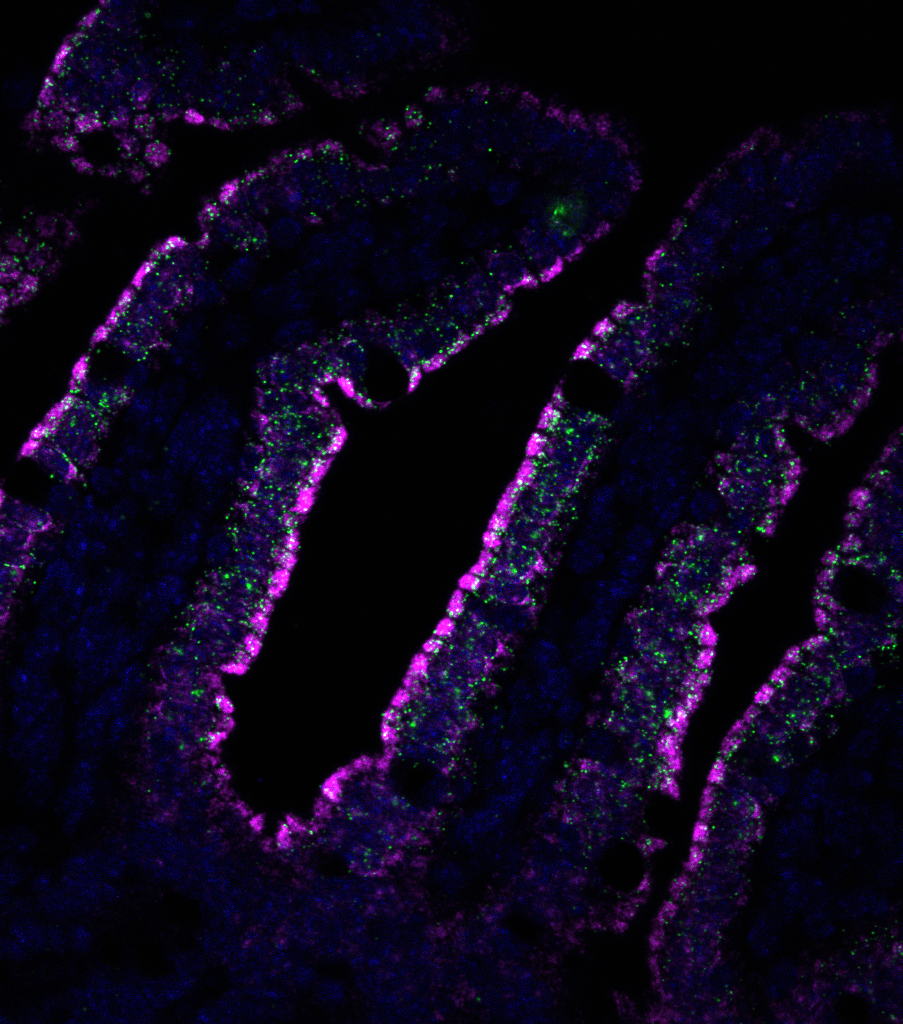
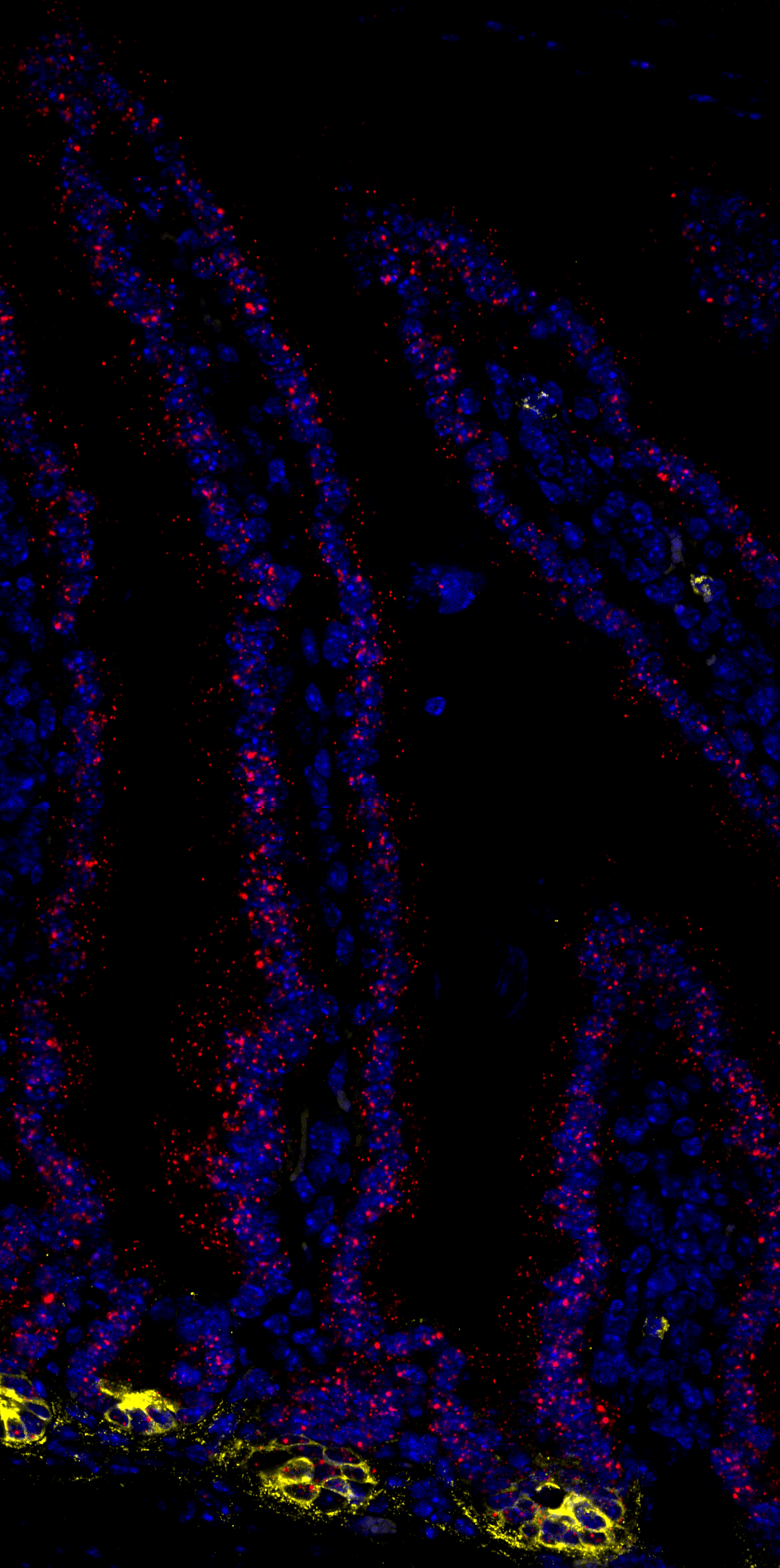

PRINCIPLES OF TISSUE REGENERATION TO STUDY MATERNAL BIOLOGY
Pregnancy plays a vital role in human reproduction, but it can also trigger or worsen serious health conditions such as gestational diabetes. We apply principles from tissue and stem cell biology to explore cellular and molecular changes in the maternal intestine during pregnancy, lactation, and postpartum recovery, using experimental models. Through these studies, we aim to uncover mechanisms of intestinal adaptation with broad implications for maternal metabolism and women’s health across the lifespan.
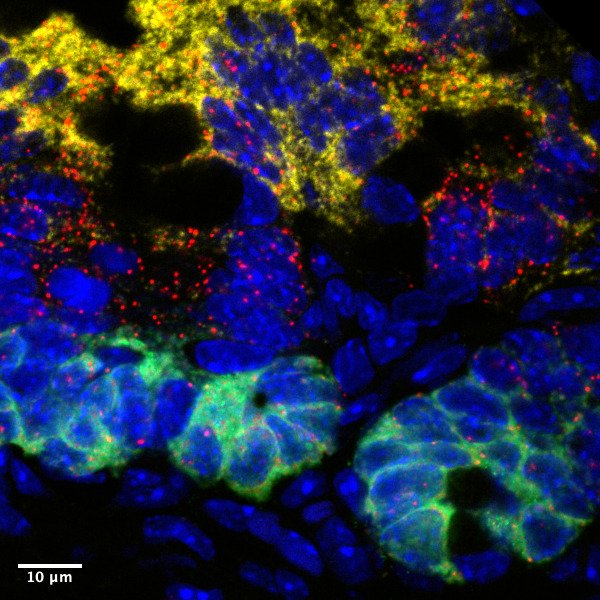
PREGNANCY AS A WINDOW INTO STEM CELL BIOLOGY
The intestine contains adult stem cells capable of restoring its structure and function. We study how these stem cells sense and respond to diverse physiological signals to drive organ-level adaptations that support the body. Pregnancy provides a powerful model for these studies – a period when multiple cues converge to reshape intestinal growth and function. Ultimately, we aim to apply these insights to better understand GI diseases and develop strategies to restore function to tissue damaged in conditions such as short bowel syndrome, colorectal cancer, and inflammatory bowel disease.
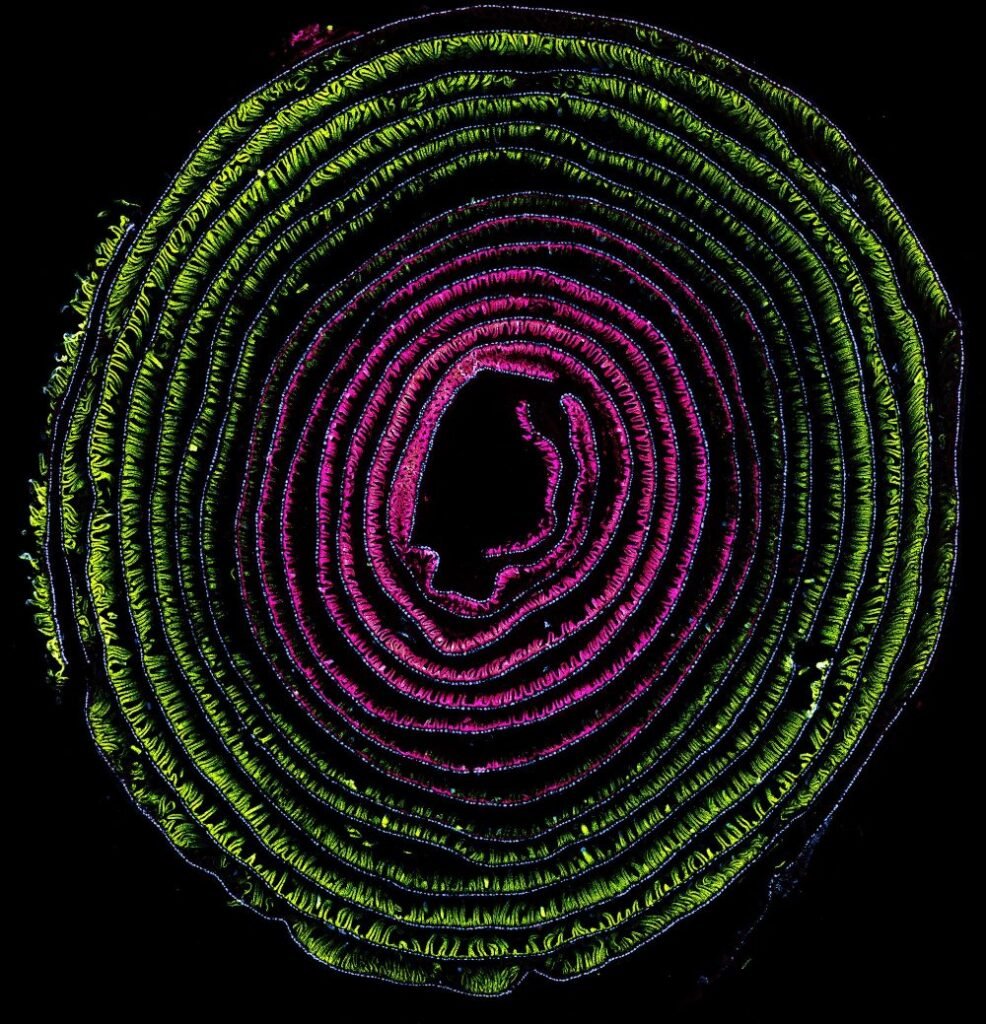
PROGRAMS THAT SHAPE REGIONAL STRUCTURE IN THE INTESTINE
We recently redefined regions of the small intestine based on the molecular programs that encode different aspects of nutrient absorption. Building on this work, we’re exploring how these regional patterns develop and persist over time – especially how the maternal environment shapes the early intestine. Through these studies, we aim to learn how early-life influences organize intestinal structure and function, laying the foundation for long-term gastrointestinal health.
The Zwick lab prioritizes mentorship at all stages of scientific training. See join us for current opportunities for research and training in the lab.
We pursue fundamental research that takes time but holds the potential to reshape biology and medicine. We’re grateful to our funders for their investment in this effort, and to the mentors and organizations that supported Rachel’s research and training before she opened the lab.
Funding & Partnerships
Current



Past




Designed by Razvan Matei | © 2026 Zwick Lab